Dark Site Adaptation

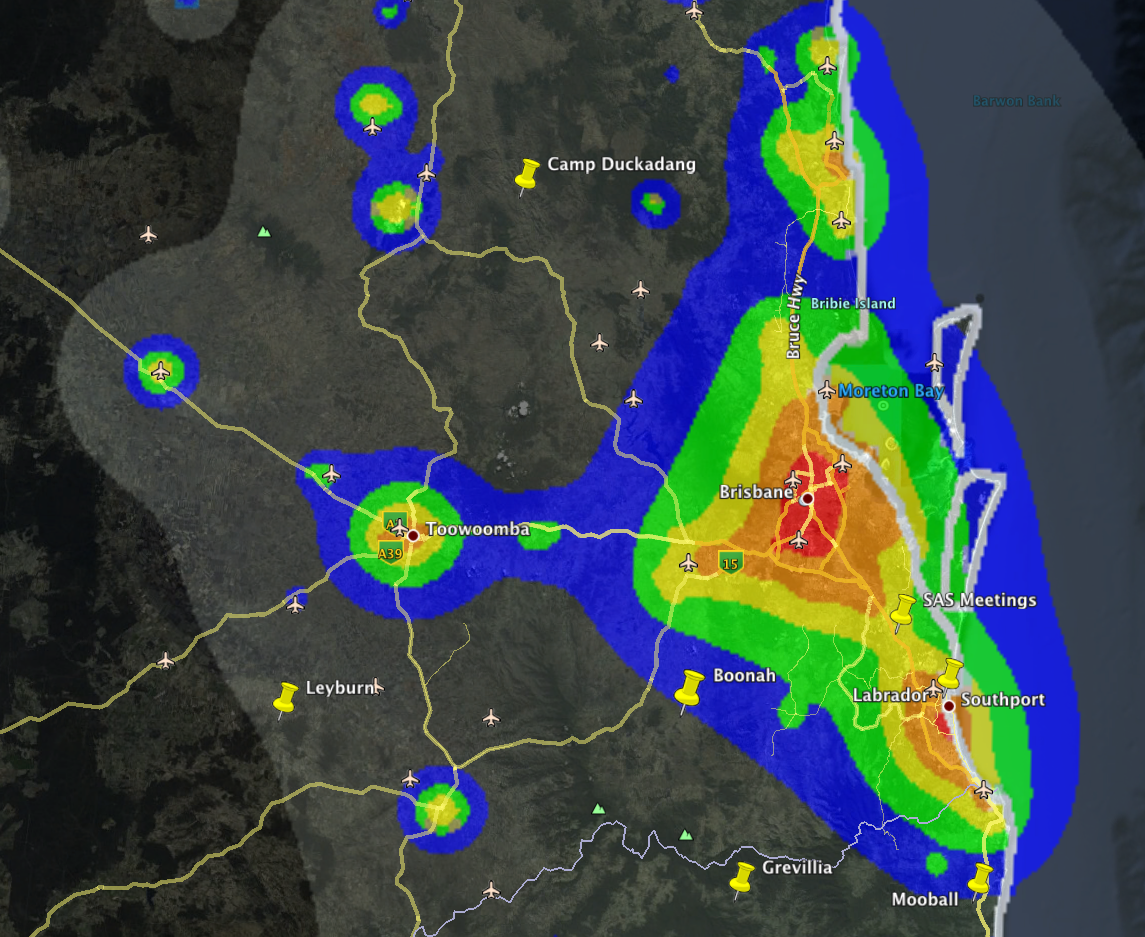
At my light-polluted home in Labrador, Gold Coast, the limits of exposure with my Canon 550D on my 120 mm telescope (900 mm focal length) appeared to be 10 – 12 minutes at ISO 1600. The High Dynamic Range (HDR) software, Photomatix Pro, was able to retrieve data after these exposures had started to “white out” the image but I was keen to try a dark site where the brightness of the target object was the limit instead.

Posted in Uncategorized

Fusion Power

The Orion Nebula M42 looks nice when the exposure is sufficient to show all the neat nebulosity and dark clouds. When you show people the picture, you explain that the nebula is brightened by the central stars which you can’t actually see because that area of the picture is over-exposed. This is not good !

Over the years, the Orion Nebula M42 has often been the object used to demonstrate the processing methods for this situation, which is called High Dynamic Range (HDR). Once a subject gets its own TLA (three letter acronym), you know people are getting serious about it. Reviewing the current options for HDR processing, it appeared the choices included Photoshop using masking, Photoshop using an HDR function or any one of a range of specialist HDR processing programs. Since masking is lengthier than using an HDR function and Photoshop is more expensive than anything else, I elected to purchase a copy of the Mac version of Photomatix Pro from http://www.hdrsoft.com.

Continue reading

Posted in Uncategorized

First Dark

After enjoying my “first light” shots and then remembering that they had all been shot as jpegs, it was almost a month before I could try out taking shots in RAW and applying “darks”. On 15th July 2012, I set up, did a successful drift alignment but then did an inadequate 2-star alignment on the hand controller. This meant that my attempt to target the Lagoon Nebula landed me in a random spot in Sagittarius. In addition, I had not recharged my camera battery so after 6 x 5 minute shots of this random spot in Sagittarius, I had only enough battery for 2 darks.

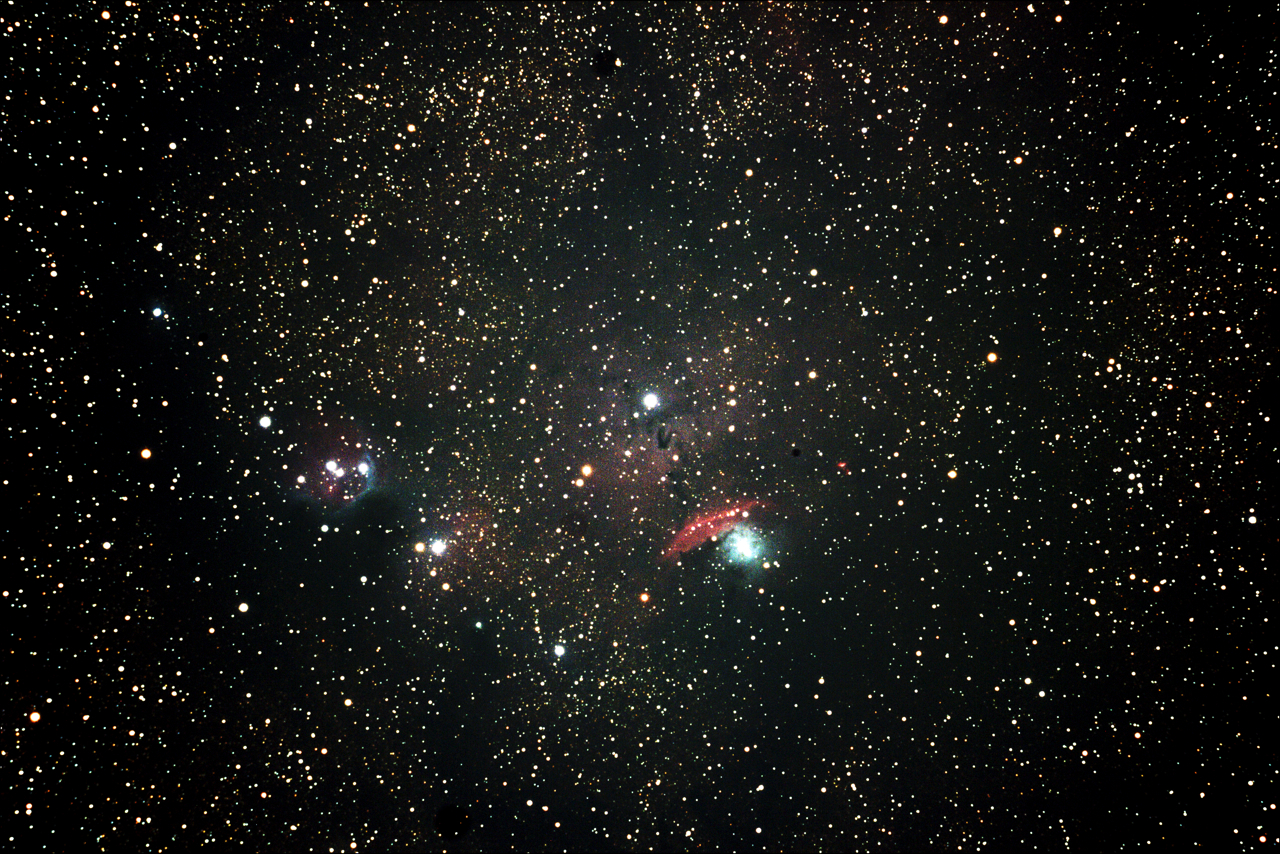
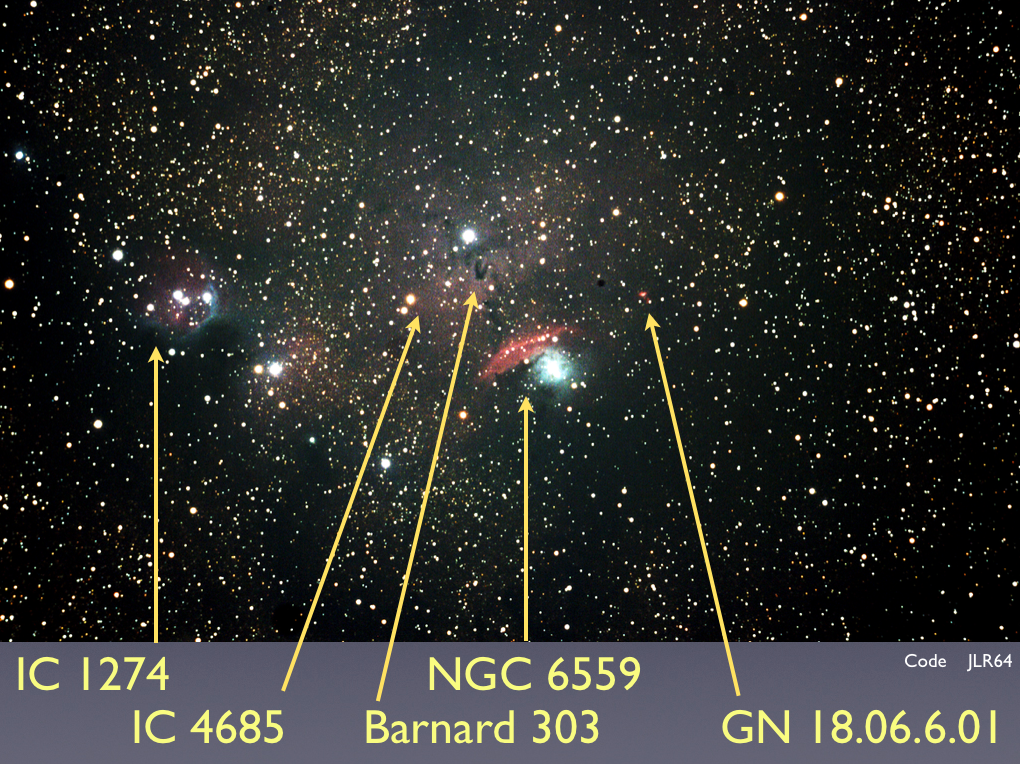
I processed the shots anyway and found them full of interesting, unknown objects. A quick upload to www.astrometry.net identified the objects for me.


Somewhere in Sagittarius …


Continue reading

Posted in Uncategorized

First light

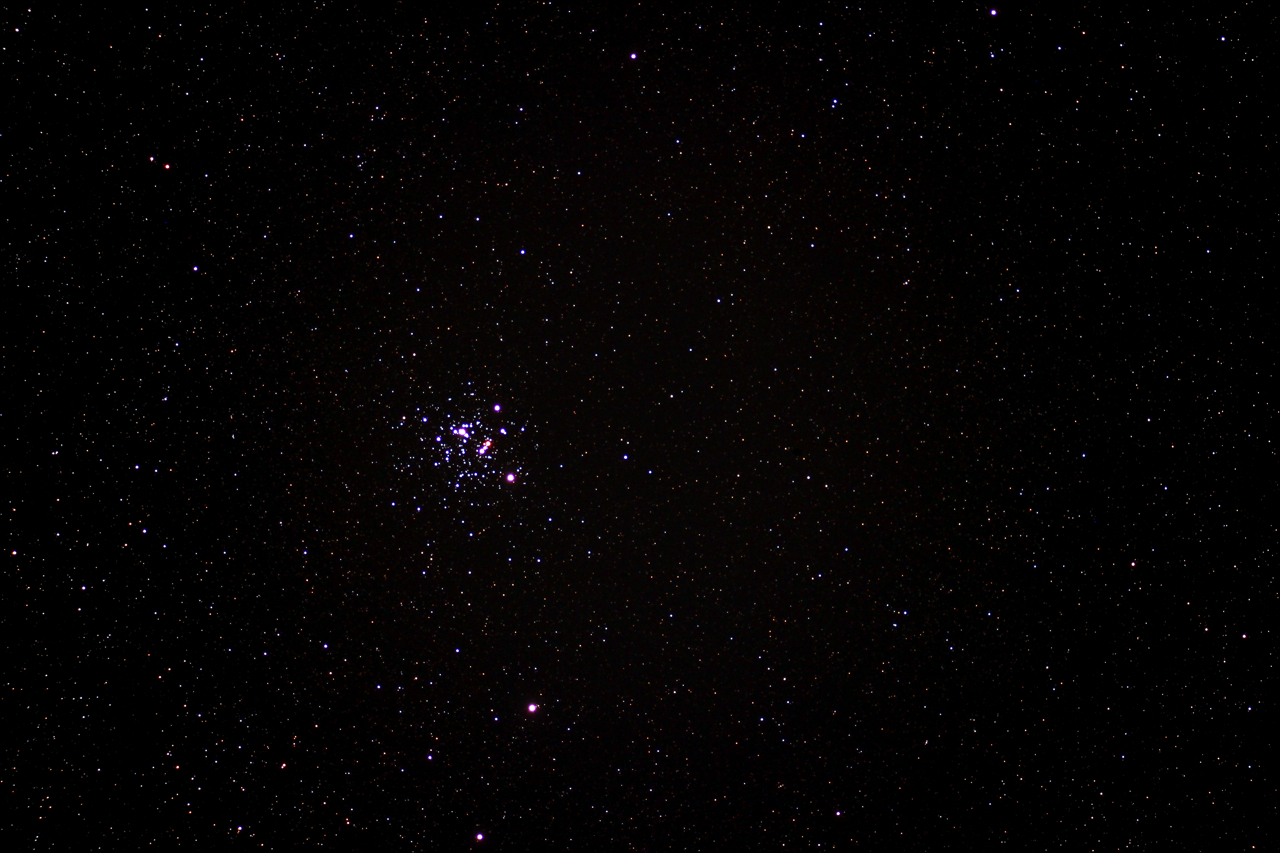
At 9.15 pm on the 14th of June 2012 (12 days after receiving the telescope), I achieved my first alignment and got my first guided shots. I had been taking test pictures of the Southern Cross (Crux) or more specifically, the Jewel Box Cluster, NGC 4755, to see if the drift alignment attempts had worked. Finally, the test shot showed stars which were not trails.


Jewel Box Cluster
NGC 4755  in Crux
9:15 pm. June 14th, 2012.
Labrador.
ED 120mm auto-guided.
Canon 550D ISO 800.
1 min x 6.
Continue reading

Posted in Uncategorized

It’s just a Small Refractor …

My goals in selecting my next purchases were:
* getting a bit longer exposure times than the 8 seconds used so far
* magnifying the objects I had been seeing when zooming in on current photos
* finding smaller objects of interest using a “go to” capability
* being able to use the camera and 50 mm lens with the tracking and “go to” capabilities.

I selected the following items:
* Skywatcher HEQ5 Pro Go To Mount
* Skywatcher Black Diamond ED120 Refractor
* Orion ShortTube 80mm Awesome Autoguider Package
* PHD Guiding software – Mac version.

Continue reading

Posted in Uncategorized

Committing my Camera to the Stars

DSLR cameras like my Canon 550D are designed to produce pictures with the correct colour appearance during the day, despite the fact that the camera’s CCD chip is sensitive to the infra red emissions from warm objects. DSLRs achieve good daylight colour balance by having an infra-red filter. At night, the sky is not hot but ionized hydrogen gas clouds amongst the stars emit light at 650 µm, 95% of which is blocked by the DSLRs filter. Changing the filter in the camera to one that passes 650 µm light will show more colour in star images, committing the camera to the stars since day photos will no longer have correct colour.

Continue reading

Posted in Progress

Slipping over to the Dark Side

In February 2012, I decided to try just a little bit of the image processing I had been reading about:

  • Nebulosity to take the shots, stack the subs, crop and “Adjust Color Background (Offset)” ; then save as a “16-bit color TIFF file”.
  • The TIFF file then imported into Pixelmator to do several steps of “Levels” .
  • Pixelmator to directly transfer the file in iPhoto where the last adjustments were made.

Continue reading

Posted in Progress

First Steps

Join the Club

In mid-2011, O’Reilly’s Guest House (in the mountains on the Queensland – New South Wales border) put on a Stargazer’s Weekend which I attended. The speaker was Noeleen Lowndes, NASA’s representative for the Saturn Observation Campaign and current President of the Southern Astronomical Society, based south of Brisbane, Queensland. As a result of her enthusiasm, I joined the Southern Astronomical Society in November 2011. At about the same time, it started to rain and continued to do so with only short pauses for the next 6 months. Not what you expect when you live on the driest inhabited continent on the planet – the scientists in Antarctica (which is drier) are not considered to have a life and are therefore not really inhabiting the place.

Continue reading

Posted in Progress Tagged , , , ,